Why Lana Grossa Ecopuno Should Be Your Next Project Yarn: The Lightweight Luxury DK for Every Season

The year-round yarn your handmade wardrobe has been waiting for
Some yarns are wonderfully warm but too heavy for much of the year. Some cottons are breathable but can feel firm or unforgiving. Some alpaca yarns are gloriously soft but warmer and fuzzier than an everyday garment needs. Lana Grossa Ecopuno brings all three fibres into balance—creating a light, soft and gently warm yarn designed for layers you can actually wear across changing seasons.
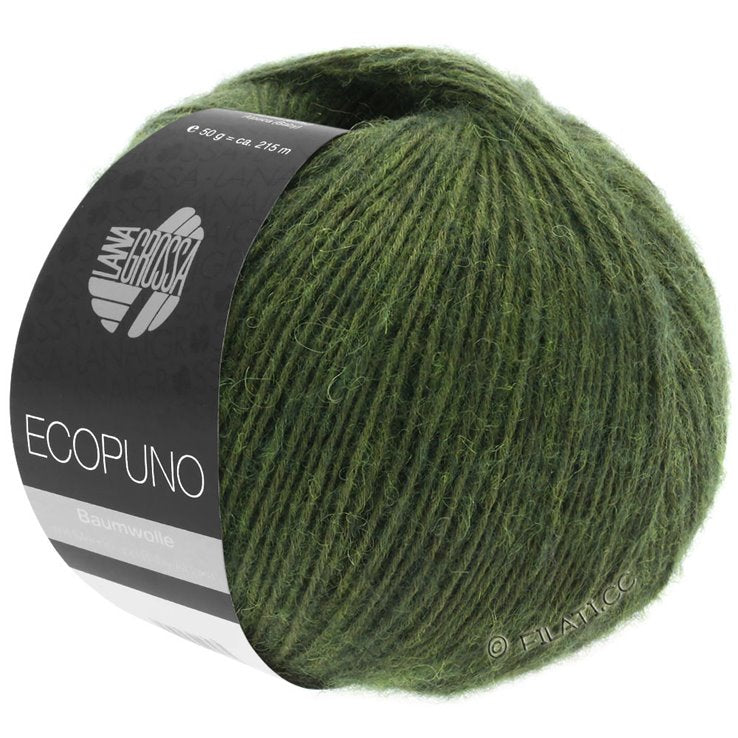
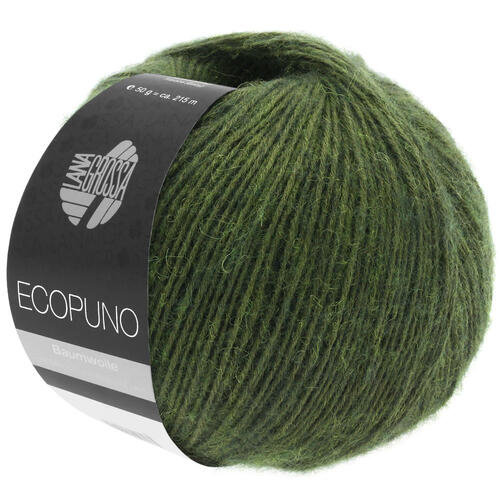
Its 72% cotton, 17% merino and 11% baby-alpaca blend supplies an extraordinary 215 metres in each 50g ball, yet it is worked on 4–4.5mm needles at a DK-style 24-stitch gauge. The result is fabric with substance, softness and bloom without the dense weight many knitters expect from an 8-ply garment.
Why choose Ecopuno for your next project? Choose it when you want a light garment, breathable cotton content, gentle merino warmth, a touch of alpaca softness and exceptional metreage. It is especially compelling for pullovers, cardigans, tops, vests, shawls and accessories intended for indoor wear, layering and transitional New Zealand weather.
Lana Grossa Ecopuno specifications at a glance
| Brand and range | Lana Grossa Ecopuno | Direct Sewing category | DK / NZ 8 ply; airy light-DK gauge |
|---|---|---|---|
| Fibre content | 72% cotton, 17% virgin wool (merino), 11% baby alpaca | Ball size | 50g / approximately 215m |
| Official tension | 24 stitches × 30 rows per 10cm | Needles | 4–4.5mm, or the size needed for pattern gauge |
| Surface and fabric | Soft, light and subtly haloed | Construction | Airy net-like yarn that carries fine fibres with loft |
| Care | Hand wash; dry flat; do not tumble dry, bleach or iron | Stocked palette | 15 solid colours at Direct Sewing |
Why Ecopuno is more than “just another DK yarn”
The clever part of Ecopuno is not one headline fibre. It is the way three natural fibres divide the workload. Cotton forms the dominant breathable foundation; merino contributes warmth and resilience; baby alpaca supplies softness and a refined bloom. Together they create a fabric that occupies a useful space between crisp cotton and a fully woollen winter yarn.
72% cotton: the breathable base
Cotton makes up almost three quarters of Ecopuno. It helps the fabric feel comfortable and less heavily insulated than a dense pure-wool DK. That makes Ecopuno appealing for indoor garments, transitional layers, sleeveless pieces and makers who often find traditional wool sweaters too warm.
Cotton also contributes drape and a smooth underlying structure. Because cotton is less elastic than wool, the merino in this blend becomes important.
17% merino: warmth and recovery
Merino softens the cotton-dominant character and adds gentle insulation. Its natural elasticity helps the fabric recover better than many pure-cotton knits, giving ribs, cuffs and shaped garments a more balanced feel.
The merino percentage is intentionally modest: enough to influence comfort and behaviour without turning the yarn into a heavy winter wool.
11% baby alpaca: softness and halo
Baby alpaca gives Ecopuno its inviting surface. The subtle halo softens stitch edges and lends the fabric a luxury look without the intense fluff of a high-alpaca yarn.
Alpaca is warm and less elastic than wool, so its smaller proportion adds character without dominating the structure.
The real Ecopuno advantage: it gives makers some of cotton’s breathability, merino’s warmth and recovery, and alpaca’s softness in one exceptionally light strand. No single fibre does everything; the blend is what makes the yarn distinctive.
How can a 50g ball contain 215 metres and still knit at a DK-style gauge?
If you judge Ecopuno by metreage alone, it appears much finer than a conventional DK. Many dense, plied DK yarns provide substantially fewer metres per 50g. Ecopuno behaves differently because of its light, airy, net-like construction. Fine fibres are carried with loft, so the strand occupies enough space to work comfortably on 4–4.5mm needles without needing the mass of a solid, tightly plied yarn.
What that means while making
- A large amount of knitting comes from a surprisingly light ball
- The strand should be handled gently rather than tugged aggressively
- The fabric can look slightly open before washing
- Gentle wet finishing allows the fibres to settle and bloom
- A soft halo rounds the final stitch appearance
What that means when wearing
- Pullovers and cardigans feel lighter on the body
- Large shawls gain coverage without unnecessary weight
- Layering is easier than with dense, heavily insulated DK fabric
- Garments can suit a broader temperature range
- Colourwork uses less physical yarn weight for the same metreage
Important for substitution: do not reject or select Ecopuno because of the 215m figure alone. The pattern must match the official 24-stitch gauge and the washed swatch must produce appropriate fabric. Yarn construction matters as much as metres per ball.
Is Lana Grossa Ecopuno really a year-round yarn?
Yes—with a sensible definition of “year-round”. Ecopuno is designed as an all-season yarn, but no garment feels identical in every climate. Its strongest role is a lightweight layer for indoor wear, mild days, cool evenings and the changeable months between summer and winter.
In New Zealand, that can translate into excellent wardrobe mileage. A light Ecopuno cardigan can live near the front door for breezy mornings. A vest or short-sleeved top can add warmth without full wool-sweater insulation. A long-sleeved pullover can work through autumn, spring and air-conditioned interiors, then layer beneath a jacket in colder conditions.
| Season or setting | Why Ecopuno works | Smart project choices | Construction tips |
|---|---|---|---|
| Summer evenings | Cotton-dominant fibre and light fabric reduce bulk | Open cardigan, relaxed tee, shawl, light wrap | Choose breathable stitch patterns and relaxed ease |
| Autumn | Merino and alpaca add gentle warmth as temperatures fall | Pullover, cardigan, vest, scarf | Use full-length sleeves or easy layering shapes |
| Winter indoors | Soft warmth without the weight of dense wool | Office cardigan, fine sweater, cowl, wrap | Layer over a base garment; use denser fabric if needed |
| Winter outdoors | Useful as a mid-layer rather than extreme-weather insulation | Pullover under a coat, scarf beneath outerwear | Add a wind-resistant outer layer |
| Spring | Breathability and moderate warmth suit changing conditions | Cardigan, top, vest, striped pullover | Three-quarter sleeves and open necklines extend wear |
| Travel | High metreage creates garments with less packed weight | Wrap, simple cardigan, versatile pullover | Choose shapes that layer and colours that coordinate |
Personal temperature preference, stitch density and garment design still decide comfort. Someone who runs cold may wear Ecopuno deep into winter; someone who runs warm may reserve it for lighter layers. This flexibility is a strength rather than a promise that one garment replaces every other fibre.
What should you make with Ecopuno?
The best Ecopuno projects take advantage of its light metreage, drape, soft bloom and season-spanning comfort. Lana Grossa patterns use Ecopuno across pullovers, cardigans, tops, vests, hats, shawls and crochet pieces—evidence that the yarn is far more versatile than a single “summer cotton” label suggests.
Light pullovers
This is Ecopuno’s headline project. Choose relaxed crew necks, modern drop shoulders, raglans or simple top-down shapes. The fabric offers coverage and soft warmth without turning the sweater into a heavy winter-only piece.
Cardigans
An Ecopuno cardigan is a practical layer for work, travel and changing weather. The yarn’s lightness is particularly useful in longer styles, although the washed swatch must show that the chosen gauge supports the garment’s weight.
Tops and tees
Cotton-rich fibre makes short-sleeved tops, boxy tees and shell-style garments a natural direction. Merino and alpaca soften the hand and give the fabric more character than a crisp pure cotton.
Vests and pullunders
Use Ecopuno for layering pieces that add gentle warmth through the torso while leaving arms free. Solid colours suit minimalist vests; several 50g balls make colour-blocked and striped designs approachable.
Shawls and wraps
At 215m per ball, Ecopuno can build generous dimensions without excessive finished weight. The subtle halo softens garter stitch, simple lace and modern geometric sections.
Scarves and cowls
The blend feels inviting against the neck for many wearers and supplies enough gentle warmth for transitional weather. Always test against the intended wearer’s skin because wool and alpaca sensitivity varies.
Baby and child garments
The yarn can make light, soft pieces when the pattern matches gauge and hand-wash care is realistic for the family. Use safe construction and confirm that animal fibre suits the child.
Colourwork
The 15-colour Direct Sewing palette supports stripes, slip-stitch motifs and modern colour blocks. The 50g ball size and high metreage make small contrast quantities useful.
Crochet garments
Ecopuno’s lightness is valuable because crochet can create denser fabric than knitting. Use it for cardigans, tops, vests, wraps and accessories after confirming hook size, drape and metreage in a washed swatch.
Best first Ecopuno project: a simple cowl, scarf, sleeveless vest or relaxed top lets you experience the yarn’s bloom and drape without the fit demands of a fully sleeved garment. If you already enjoy garment knitting, go directly to the lightweight cardigan you will wear everywhere.
How much Lana Grossa Ecopuno do you need?
The selected pattern’s required metreage is the authority. Ball estimates vary with size, ease, body length, sleeves, stitch pattern, colourwork, crochet density and the amount used for swatching. Convert everything to metres before buying.
Simple calculation: pattern metres ÷ 215m per Ecopuno ball = number of balls, rounded up. Add your chosen allowance before dividing, especially for garments, pattern matching and modifications.
Example: if a pattern requires 1,250m, then 1,250 ÷ 215 = 5.82. The mathematical minimum is six balls, which provide 1,290m. If you want a larger safety margin or plan to lengthen the body, buy seven.
| Project | Broad starting estimate | Approximate metre range | Buy extra when… |
|---|---|---|---|
| Hat, mitts or small cowl | 1–2 balls | 215–430m | The fabric is doubled, deeply textured or part of a set |
| Baby garment | 2–4 balls | 430–860m | The size, sleeves, hood or matching accessories increase |
| Scarf or small shawl | 2–4 balls | 430–860m | You want generous width, length, texture, fringe or crochet |
| Adult top or vest | 4–6 balls | 860–1,290m | The size is larger, fit is loose or texture is substantial |
| Adult pullover | 6–9+ balls | 1,290–1,935m+ | The garment is larger, long, oversized, cabled or colourworked |
| Long cardigan or wrap | 8–12+ balls | 1,720–2,580m+ | The design is oversized, hooded, long or crocheted |
Lana Grossa gives approximately 300–350g, or six to seven balls, as a general starting quantity for a women’s pullover in size 38–40. That manufacturer guide is helpful context, but it does not replace the metreage for your particular design and size.
Do not buy by weight alone. Six 50g Ecopuno balls provide approximately 1,290m. Another 300g DK yarn may provide far fewer metres because its construction is denser. Compare total metres, not grams or ball count.
All 15 Lana Grossa Ecopuno colours stocked by Direct Sewing
The Direct Sewing palette is curated around wearable neutrals, natural greens, deep wardrobe colours and gentle pastels. Use the number as well as the colour name when ordering; shade codes are the clearest reference.
| Colour | Character | Easy pairings | Project direction |
|---|---|---|---|
| 01 Loden | Deep natural green | Ecru, Camel, Beige, Light Grey | Earthy cardigan, vest or statement pullover |
| 02 Apple | Fresh apple green | White, Petrol, Marine, Dark Grey | Accent stripes, colour blocks or bright top |
| 10 Marine | Classic deep navy | White, Light Blue, Camel, Salmon Pink | Timeless sweater, work cardigan or Breton stripes |
| 12 Petrol | Deep blue-green | Apple, Ecru, Light Grey, Camel | Rich single-colour garment or nature palette |
| 13 Light Blue | Soft airy blue | Marine, White, Camel, Lilac | Light top, baby piece or calm cardigan |
| 14 Light Grey | Versatile pale grey | Almost every shade | Modern neutral sweater or contrast base |
| 15 Dark Grey | Modern charcoal | Apple, Salmon Pink, White, Light Blue | Minimalist pullover or graphic colourwork |
| 16 Black | Deep wardrobe black | White, Apple, Lilac, Salmon Pink | Elegant cardigan, top or high-contrast motif |
| 26 White | Clean bright neutral | Every stocked colour | Fresh top, summer layer or crisp stripes |
| 32 Camel | Warm camel neutral | Loden, Marine, Ecru, Bordeaux | Classic vest, cardigan or travel wrap |
| 35 Bordeaux | Rich wine red | Camel, Light Grey, Ecru, Marine | Statement pullover, cowl or autumn layer |
| 46 Ecru | Soft natural cream | Every natural and saturated shade | Quiet luxury cardigan, cable or contrast colour |
| 55 Beige | Light balanced neutral | Petrol, Bordeaux, Loden, White | Layering shell, tonal stripe or everyday sweater |
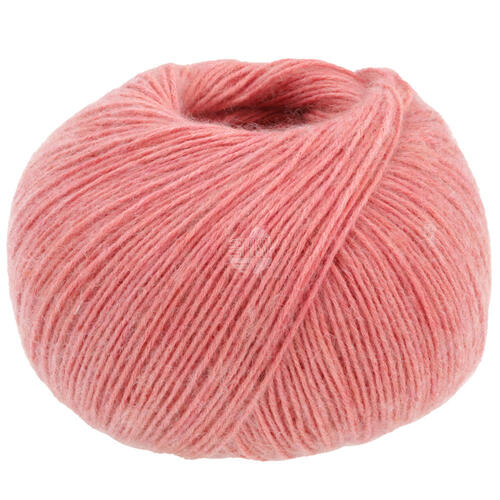
| 91 Salmon Pink | Warm soft pink | Marine, Dark Grey, Ecru, Camel | Flattering top, scarf or colourwork accent |
| 92 Lilac | Gentle pastel purple | Light Grey, White, Marine, Light Blue | Soft cardigan, wrap or spring layering piece |
Quiet luxury palette
Combine Ecru, Beige, Camel and Light Grey. Keep the silhouette simple and let subtle tonal contrast, drape and texture create the interest.
New Zealand landscape palette
Pair Loden and Petrol with Ecru or Camel. The greens and blue-green feel grounded while the pale neutral keeps the fabric open and wearable.
Modern accent palette
Use Bordeaux, Apple, Salmon Pink or Lilac against Marine, Dark Grey, White or Ecru. A single bright accent makes stripes and colour blocks feel intentional.
Colour accuracy: screens, lighting and dye batches affect appearance. Buy the full project quantity together, keep every ball band and contact Direct Sewing if matching a colour is critical.
Which stitches look best in Ecopuno?
Ecopuno’s halo gently softens the outline of each stitch. That gives plain fabric a polished, inviting finish and rounds cables or texture. It is not as sharply architectural as a firm, smooth, tightly plied merino, so choose stitch patterns that benefit from softness rather than demanding razor-edged definition.
Stocking stitch
An excellent showcase for the blend. Simple fabric reveals the even colour, drape and subtle bloom, making it ideal for minimalist pullovers, tops and cardigans.
Garter stitch
Soft, squishable ridges suit shawls, scarves and relaxed garment panels. The high metreage keeps larger garter projects lighter than a dense wool DK might be.
Ribbing
Merino assists recovery, but cotton and alpaca are less elastic than wool. Use the pattern’s smaller needle for cuffs and necklines, then verify recovery in a washed swatch.
Cables and texture
Cables appear soft and rounded rather than hard-edged. Avoid automatically using a very tight gauge; heavy cable fabric can work against Ecopuno’s light character and consume more yarn.
Lace and eyelets
Simple lace, openwork and mesh can emphasise breathability for tops and shawls. Block gently because halo may soften tiny, complex motifs.
Stripes and colourwork
Fifteen solid shades make stripes, slip stitch and colour blocking especially attractive. For stranded patterns, make sure the values contrast as well as the hues.
Will the yarn split?
Airy constructions require a little more awareness than a compact plied yarn. Use a needle tip that enters stitches cleanly without repeatedly catching only part of the strand. Slow down when fixing mistakes, joining yarn or sewing seams. Gentle handling preserves the structure and keeps the finished surface even.
Can you crochet with Lana Grossa Ecopuno?
Absolutely. Ecopuno can produce exceptionally light crochet garments and accessories. The important step is choosing a hook and stitch pattern that preserve drape rather than compressing the airy yarn into a stiff fabric.
Try relaxed cardigans, openwork tops, shawls, wraps, scarves and modern granny-square garments. A larger hook may help an open stitch breathe, but fit still depends on matching the pattern’s washed gauge. Crochet often consumes more yarn than knitting for the same area, so calculate from the crochet pattern rather than reusing a knitted-garment ball estimate.
- Make a large swatch in the actual crochet stitch.
- Hand wash and dry it flat before measuring.
- Judge drape, weight and opacity as well as stitch count.
- Check how the halo behaves if the project will be frequently unravelled or reworked.
- Add metreage for deep borders, dense texture, tassels and fringe.
How to substitute Ecopuno successfully
The phrase “DK / 8 ply” is only the first filter. Ecopuno’s 215m per 50g is unusual, and its airy construction is central to the finished fabric. A dense DK with similar needle recommendations may make the garment much heavier; a fine sport yarn with similar metreage may not fill the fabric at 24 stitches per 10cm.
Start with pattern gauge. Ecopuno’s official tension is 24 stitches and 30 rows per 10cm. Patterns close to that gauge are the most natural candidates.
Compare the intended fabric. The pattern should suit a light, draping, softly haloed blend—not require a hard-wearing, sharply structured or waterproof textile.
Convert to total metres. Ignore the original ball count. Multiply the pattern’s balls by the metres per original ball, then divide by 215 and round up.
Swatch on 4–4.5mm needles. Change needle size only as needed to reach the pattern gauge while maintaining a suitable fabric.
Wash before deciding. Cotton, merino and alpaca settle differently in water. The washed, dry fabric is what you will actually wear.
Measure row gauge too. Row gauge affects yokes, sleeves, armholes, shaping intervals and total garment length.
Best rule: substitute by washed gauge, fibre behaviour, construction and final fabric—not by the DK label, metreage or needle size in isolation.
How to wash, block and care for Ecopuno
Ecopuno deserves gentle care. Lana Grossa’s guidance is hand wash, dry flat and avoid tumble drying, bleach and ironing. Those instructions protect the airy construction, help preserve the halo and reduce unwanted stretching or heat damage.
1. Hand wash cool
Use cool water and a small amount of mild wool-friendly detergent. Avoid aggressive agitation and unnecessary soaking.
2. Support the fabric
Lift the wet project with both hands or in a basin. Do not let the full wet weight hang from one edge.
3. Never wring
Press out water gently, then roll the item in a clean towel. Twisting can distort the structure and garment shape.
4. Reshape flat
Lay the project to its intended measurements away from direct heat. Do not hang wet cotton-rich fabric.
5. Avoid tumble heat
Do not tumble dry. Heat and friction can damage animal fibres, encourage shrinkage and roughen the surface.
6. Store folded
Fold clean, fully dry garments rather than hanging them. Monitor all natural-fibre items for moth activity.
Will Ecopuno stretch after washing?
Any cotton-rich knitted fabric can relax under moisture and garment weight. Merino contributes recovery, but you should never assume the unwashed dimensions will remain unchanged. Make a generous swatch, measure it before washing, wash it correctly, allow it to dry flat and measure it again. If it grows or changes drape, use that evidence when choosing size and length.
Will Ecopuno pill?
Soft fibres and halo can develop surface fuzz or pills where fabric rubs—under arms, at sides, beneath bag straps and against seat belts. Pilling is influenced by fit, gauge, wear and care. Rotate garments, wash gently, reduce repeated abrasion and use a suitable fabric comb carefully when needed. Do not pull pills with your fingers.
Is Ecopuno the right yarn for you? An honest checklist
Choose Ecopuno if you want…
- A lightweight alternative to dense wool DK
- A breathable cotton-dominant natural-fibre blend
- Gentle merino warmth and a soft alpaca bloom
- High metreage with low finished garment weight
- Pullovers and cardigans that span more than one season
- Soft solid colours for modern garments and colourwork
- A yarn suitable for both knitting and crochet
Choose something else if you need…
- Machine washing or tumble-dryer convenience
- A vegan or fully plant-based fibre
- A nylon-reinforced yarn for everyday socks
- Extremely sharp stitch definition with no halo
- A dense wind-resistant outdoor winter layer
- A yarn proven suitable for a wearer sensitive to wool or alpaca
- A certified organic or recycled product based only on the name “Eco”
About the name: “Ecopuno” is the product name. Do not assume that “Eco” means organic, recycled, vegan or certified sustainable unless the current label or manufacturer documentation explicitly supplies that certification.
This honesty is exactly why Ecopuno is easy to recommend for the right project. It is not trying to be a sock yarn, an extreme-weather wool or a throw-in-the-dryer family basic. It excels as a refined, light, natural-fibre garment yarn—and that is a role many handmade wardrobes genuinely need.
Frequently asked questions about Lana Grossa Ecopuno
What is Lana Grossa Ecopuno made from?
Ecopuno contains 72% cotton, 17% virgin wool or merino and 11% baby alpaca. Cotton provides the dominant breathable foundation, merino adds gentle warmth and recovery, and baby alpaca contributes softness and a subtle halo.
How much yarn is in one Ecopuno ball?
Each 50g ball contains approximately 215 metres, giving Ecopuno exceptional metreage for a yarn worked at a DK-style gauge.
Is Ecopuno DK or 8 ply?
Direct Sewing categorises Ecopuno as DK / NZ 8 ply with an airy light-DK gauge. Its official tension is 24 stitches per 10cm on recommended 4–4.5mm needles. Always match the pattern’s washed gauge rather than relying on the weight name alone.
Why does Ecopuno have more metres than a typical DK?
Ecopuno uses a light, airy, net-like construction that carries fine fibres with loft. The strand fills out at a DK-style gauge without the mass of a dense, solidly plied yarn.
What needle size should I use for Ecopuno?
Lana Grossa recommends 4–4.5mm needles. Use the needle size that produces the pattern’s required washed gauge and suitable fabric.
What is the official Ecopuno gauge?
The official gauge is 24 stitches and 30 rows per 10cm. Your own tension may differ, so make and wash a generous swatch before starting a fitted project.
Is Ecopuno suitable for summer?
Its 72% cotton content and light fabric can work well for cool summer evenings, open cardigans, tops and breathable layers. Comfort still depends on climate, stitch density and personal temperature preference.
Is Ecopuno warm enough for winter?
Merino and baby alpaca provide gentle warmth, making Ecopuno useful for indoor winter garments and layered outfits. It is lighter than a dense winter wool and is best paired with outerwear in cold or windy conditions.
Is Ecopuno soft enough to wear next to the skin?
Many makers value Ecopuno for its soft handle, but sensitivity to wool and alpaca varies. Test a washed swatch against the intended wearer’s skin before making a large next-to-skin garment.
Can I make a sweater with Ecopuno?
Yes. Lightweight pullovers and cardigans are among its strongest uses. Follow an appropriate pattern, match the 24-stitch gauge and calculate the full required metreage for your size.
How much Ecopuno is needed for a sweater?
Lana Grossa gives approximately 300–350g, or six to seven balls, as a general starting quantity for a women’s pullover in size 38–40. The actual requirement depends on pattern, size, fit, length, sleeves and stitch texture.
Can I crochet with Ecopuno?
Yes. Ecopuno suits crochet garments, tops, shawls, wraps and accessories. Swatch for drape and washed gauge, and remember that dense crochet may use more yarn than knitting.
Is Ecopuno suitable for socks?
It is not the best choice for everyday socks. Ecopuno does not contain nylon reinforcement and its light, softly haloed garment construction is not designed for constant shoe abrasion.
Is Ecopuno machine washable?
Lana Grossa’s listed care is hand wash. Follow the current ball band, use cool water and mild detergent, support the wet item and dry it flat.
Can Ecopuno go in the tumble dryer?
No. The listed care advises against tumble drying. It should also not be bleached or ironed.
Can Ecopuno stretch after washing?
Cotton-rich knitted fabric can relax when wet. A washed, dried swatch reveals how your particular gauge changes and should guide garment sizing and length decisions.
Will Ecopuno pill?
Soft fibres and alpaca halo can develop surface fuzz or pills in high-friction areas. Appropriate gauge, gentle washing, garment rotation and careful maintenance help manage the surface.
Does Ecopuno contain animal fibre?
Yes. It contains 17% merino wool and 11% baby alpaca, so it is not vegan or fully plant-based.
Does “Eco” mean Ecopuno is organic or recycled?
The name alone does not establish an organic, recycled or sustainability certification. Use the current label and official manufacturer information for any certified claims.
Can I substitute Ecopuno for another DK yarn?
Potentially, when the pattern gauge and intended fabric are compatible. Compare washed gauge, fibre behaviour, construction and total metreage rather than substituting by the DK label alone.
Which Ecopuno colours does Direct Sewing stock?
The 15 listed colours are Loden, Apple, Marine, Petrol, Light Blue, Light Grey, Dark Grey, Black, White, Camel, Bordeaux, Ecru, Beige, Salmon Pink and Lilac. Live availability can change.
Why should I buy the whole project quantity together?
Solid colours can vary between production batches. Buying the full quantity together gives the best chance of consistent colour and avoids a shade selling out before the project is finished.
Where can I buy Lana Grossa Ecopuno in New Zealand?
Direct Sewing sells Lana Grossa Ecopuno online for New Zealand delivery and through its superstore at 138 Railside Avenue, Henderson, Auckland.
Make the project you will reach for—not just admire
Ecopuno’s greatest luxury is usefulness. Breathable cotton, gentle merino warmth, baby-alpaca softness and remarkable metreage come together in fabric designed to be worn across seasons rather than stored away for one narrow slice of the year.
Choose your pattern first, match the washed 24-stitch gauge, calculate the total metres and select the full project quantity in one colour batch. Then make the cardigan, pullover, top, vest or wrap that fills the gap in your wardrobe—the light layer you will keep reaching for.